

The last five years have accelerated a structural shift in how Malaysian consumers buy food: online first, mobile-first, and convenience-driven. For the traditional dates trade—historically built around brick-and-mortar specialty shops, Ramadan bazaars, and B2B import relationships—this digital surge is both a threat and an opportunity. As demand for ready-to-eat, premium and functional foods grows, the modern Dates Supplier in Malaysia is retooling everything from sourcing and packaging to digital marketing and cross-border fulfilment to capture online shoppers and wholesale buyers alike.
The market backdrop: why online matters now
Malaysia’s e-commerce market has shown strong, sustained growth in recent years, driven by mobile penetration, improved logistics and rising consumer comfort with online grocery and FMCG purchases. Analysts project continued growth in GMV (gross merchandise value) for Malaysia’s e-commerce sector as both domestic and cross-border trade expand, making digital channels indispensable for food suppliers who want scale and resilience.

How platforms changed the game for dates sellers
One immediate adaptation by many dates suppliers was to set up shop on established marketplaces. Platforms such as Shopee and Lazada provide instant discoverability, built-in payment rails and last-mile logistics—removing the high initial cost of building a D2C e-store and customer acquisition pipeline. Small family businesses that once relied on weekly stalls can now list curated boxes (e.g., gift sets, assorted grades, or single-origin offerings) and tap nationwide demand, especially during festive seasons. Marketplace promotions and voucher mechanics also help convert value-conscious shoppers into repeat customers, turning seasonal spikes into longer-term revenue streams.
Digital payments, trust and conversion
Frictionless payment options are central to converting online traffic into purchases. Malaysian shoppers increasingly use e-wallets, card payments, and installment services—forcing Dates Supplier in Malaysia to integrate multiple payment options and to adopt robust fraud prevention and buyer protection policies. The surge in e-money and digital payments has reshaped consumer expectations: fast checkout, clear shipping costs, and transparent refund policies now matter as much as product quality when shoppers choose where to buy their kurma. This trend has pushed suppliers to partner with payment gateways and to optimize listings for mobile checkout.
Reimagining product assortments for online shoppers
Online shopping changes how products are discovered and purchased. For dates suppliers, that means rethinking SKUs and packaging: single-serve pouches, premium gift boxes, mixed sampler packs, and subscription bundles. These formats are easier to ship, photograph well for product pages, and can match distinct online shopper intents: gifting, daily snacking, health buying, or bulk wholesale purchasing. Suppliers are increasingly segmenting their ranges into entry-level, premium and wholesale tiers—making it simple for a family to buy a 250g pack while enabling cafés and retailers to source 5–10kg wholesale boxes.
Direct-to-consumer (D2C) and brand building
Beyond marketplaces, successful Dates Supplier in Malaysia are investing in D2C websites to own customer relationships and data. A D2C channel enables repeat purchase programs, email and SMS remarketing, tailored bundles, and exclusive seasonal drops. Building a brand—complete with provenance stories (origin farms, harvest dates), nutritional info, recipe content and halal assurances—turns commodity dates into differentiated lifestyle products. Many suppliers now use social commerce (Instagram shops, TikTok videos) to showcase the sensory qualities of premium varieties, educate consumers about storage and pairings, and to harvest user-generated content that fuels trust.
Case examples and local supply players
A range of players illustrate the transformation: long-standing importers and distributors who historically serviced groceries are launching e-stores and marketplace shops; boutique kurma merchants are using social media to sell premium lines; and wholesalers are listing bulk lots for corporate buyers. Some established distributors maintain both wholesale B2B accounts and D2C storefronts to diversify revenue and control margins. The online visibility of local brands and resellers also helps build domestic supply chains that previously relied heavily on seasonal imports.

Logistics, cold chain and shelf life considerations
Dates last longer than fresh produce, but their quality depends on handling: temperature, humidity, and packaging integrity matter to preserve texture and taste. To scale online, Dates Supplier in Malaysia are upgrading packaging to vacuum-seal or use barrier pouches, adding tamper-evident seals, and choosing insulated or moisture-resistant outer packaging for long shipments. For premium or fresh (unprocessed) lines, some suppliers now offer refrigerated courier options or coordinate with third-party cold chain providers. Logistics partnerships—regional fulfilment centers, marketplace fulfilment (FBL/FBR), and integrated warehousing—are essential to reduce delivery times and returns while keeping per-unit shipping costs manageable.
Wholesale strategies blended with e-commerce
Wholesale remains a lifeline for many suppliers, but the channel is going digital. B2B buyers now source via digital catalogues, whatsapp catalogues, and platform wholesale features. Dates Supplier in Malaysia have started offering tiered pricing dashboards, API integrations for recurring orders, and e-invoicing to speed procurement. The Malaysian government’s push for e-invoicing and digital tax compliance is nudging suppliers to modernize B2B billing and accounting systems to remain competitive for larger corporate clients.
Quality assurance, certifications and halal traceability
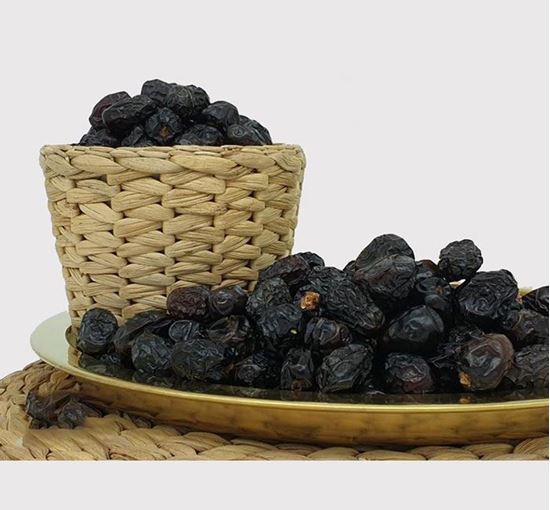
Trust is fundamental for food sales online. Consumers want to know provenance, safety, and religious compliance. Suppliers are investing in HACCP, GMP and halal certifications—displayed prominently on product pages and certificates uploaded to marketplaces—to reassure buyers. Traceability features (batch numbers, harvest month, country of origin) are used to address queries and returns quickly. This is particularly important for premium categories such as ajwa-type specialty dates or fresh medjool offerings where authenticity and grade matter. Use of verified supplier badges and third-party lab reports on product listings reduces buyer hesitancy.
Marketing tactics that convert: content, SEO and influencers
Digital acquisition for dates is driven by content: recipes, Ramadan gifting guides, “how to choose kurma” videos, and health-benefit explainers. SEO optimisation for keywords like Dates Supplier in Malaysia is a priority: product pages, category pages and blog posts are written to capture both local buyers and export inquiries. Influencer partnerships—food micro-influencers, nutritionists, and lifestyle creators—help humanize the product and reach niche audiences, especially younger urban shoppers who shop on social platforms. Paid search and marketplace advertising are layered to capture demand at different stages of the purchase funnel.
Pricing, margin pressure and value engineering
Online marketplaces squeeze margins due to fees and promotional subsidies. Dates Supplier in Malaysia are countering this by value engineering: creating private-label lines, optimizing pack sizes to reduce shipping weight, negotiating bulk freight for imports, and upselling with complementary products (nuts, gift wrapping, syrups). Some suppliers use a dual strategy: compete on marketplaces for volume while protecting margins through exclusive D2C products and subscriptions.
Data, inventory management and demand forecasting
One crucial backend adaptation is better use of data. Integrating marketplace sales data, website analytics and inventory systems lets suppliers forecast demand for festive peaks (Ramadan, Hari Raya, Christmas) and manage buffer stock for popular SKUs like medjool lines. Automated reorder points, multi-warehouse syncing and alerting systems reduce stockouts and lost sales. Advanced players use basic analytics to decide which varieties to promote and where to open satellite fulfilment centers to shave delivery time.
Regulatory and cross-border considerations
Cross-border e-commerce brings growth but also complexity: import permits, phytosanitary requirements, labeling rules, and customs tariffs require careful compliance. Dates Supplier in Malaysia expanding regionally (ASEAN, Australia, Middle East) are formalizing export documentation, adapting labels for multilingual markets, and using bonded warehouses to optimize cash flow. At the same time, domestic regulatory changes—like the phased e-invoicing rollout—mean suppliers must update invoicing and tax systems to avoid penalties and to serve enterprise clients.
Sustainability and packaging innovation
Consumers increasingly evaluate packaging and sustainability practices. Some forward-looking Dates Supplier in Malaysia are experimenting with recyclable pouches, minimal plastic packaging, compostable inserts, and bulk refill systems for retailers. Sustainability narratives—reduced food waste, responsible sourcing, and recyclable packaging—are woven into brand stories to attract environmentally conscious shoppers and larger corporate buyers with CSR goals.
Talent, skills and partnerships
Digital transformation requires new capabilities. Suppliers are hiring or partnering for roles in e-commerce ops, digital marketing, photography, and data analytics. For many SMEs, partnering with digital agencies or using marketplace seller support programs offers a quicker path to competence. Training programs, trade associations, and government digitalization incentives are playing a role in upskilling the sector and increasing supplier resilience.
Premiumisation: how specialty varieties get a digital lift
Premium date varieties—single-origin batches, organically grown or specialty cultivars—are particularly well-suited to online channels where storytelling and imagery justify premium pricing. A Dates Supplier in Malaysia can showcase limited-edition kurma ajwa or curated medjool assortments with provenance videos, tasting notes and pairing suggestions to command higher AOVs (average order values). These premium lines are often marketed as gifts or health-oriented items, and they do well in subscription and corporate gifting segments. (Note: kurma medjool and kurma ajwa are referenced as premium examples.)
Technology stack: practical tools suppliers adopt
From practical experience across the food sector, successful suppliers typically standardize on a small tech stack: a marketplace storefront, a lightweight D2C platform (Shopify or local equivalents), payment gateway integrations, an inventory management tool, and a logistics aggregator for last-mile. For larger suppliers, ERP modules and B2B portals become necessary. Integration is the key: syncing SKUs, pricing, and stock levels across sales channels avoids overselling and preserves reputation.
The continuing role of offline channels and omnichannel strategies
Though online is rising fast, offline channels remain relevant—especially for tasting, corporate client meetings, and traditional retail partners. The most resilient Dates Supplier in Malaysia adopt an omnichannel strategy: pop-ups during high season, hybrid corporate B2B portals, and click-and-collect at physical stores. This hybrid approach captures shoppers who discover products online but prefer offline reassurance, especially for gift purchases.
Challenges and risk management
Challenges include margin pressure from marketplaces, counterfeit products, logistics bottlenecks during peak seasons, and compliance complexities for exports. Effective strategies include diversifying sales channels, controlling key premium SKUs on D2C, building strong marketplace reputations through reviews and fast fulfilment, and maintaining strict quality control to minimize returns and reputational damage.
Where the sector goes next
Expect continued consolidation around trusted brands and suppliers who can reliably deliver quality at scale. Investment in upstream traceability, downstream fulfilment, and brand storytelling will separate winners from commodity players. Malaysia’s strategic location and improving digital infrastructure position Dates Supplier in Malaysia to serve both domestic consumers and regional demand, provided they continue to modernize systems and partner effectively with logistics and payment providers.
Conclusion
The rise of e-commerce is reshaping the dates industry in Malaysia: digital marketplaces, payment innovations, upgraded logistics and purposeful branding are no longer optional—they are the foundation for growth. Dates Supplier in Malaysia that successfully integrate marketplaces with D2C strategies, upgrade packaging for shipping, invest in certifications and traceability, and use data to optimise inventory will capture larger shares of the online consumer and wholesale markets. The future belongs to suppliers who can blend the traditions of kurma supply with modern digital operations—doing so will create resilient businesses that meet both the convenience expectations of today’s shoppers and the quality demands of tomorrow’s buyers.